


By JC Bowman
Public education in our state and across the nation often faces criticism. Sure, some areas need reform—anyone who has ever entered a classroom can confirm that. But here’s the point: education is one of the few fields where policymakers who create policies often haven’t been in a classroom for decades, if at all. It’s like having someone who’s never ridden a bike decide how to teach kids to pedal.
I understand the frustration. It’s obvious. However, blaming others only gets us so far. What we need is a call for accountability combined with closeness. True leadership isn’t about giving speeches from a distance. It’s about bringing decision-makers closer to the realities of the classroom. We must also build bridges across the ideological spectrum.
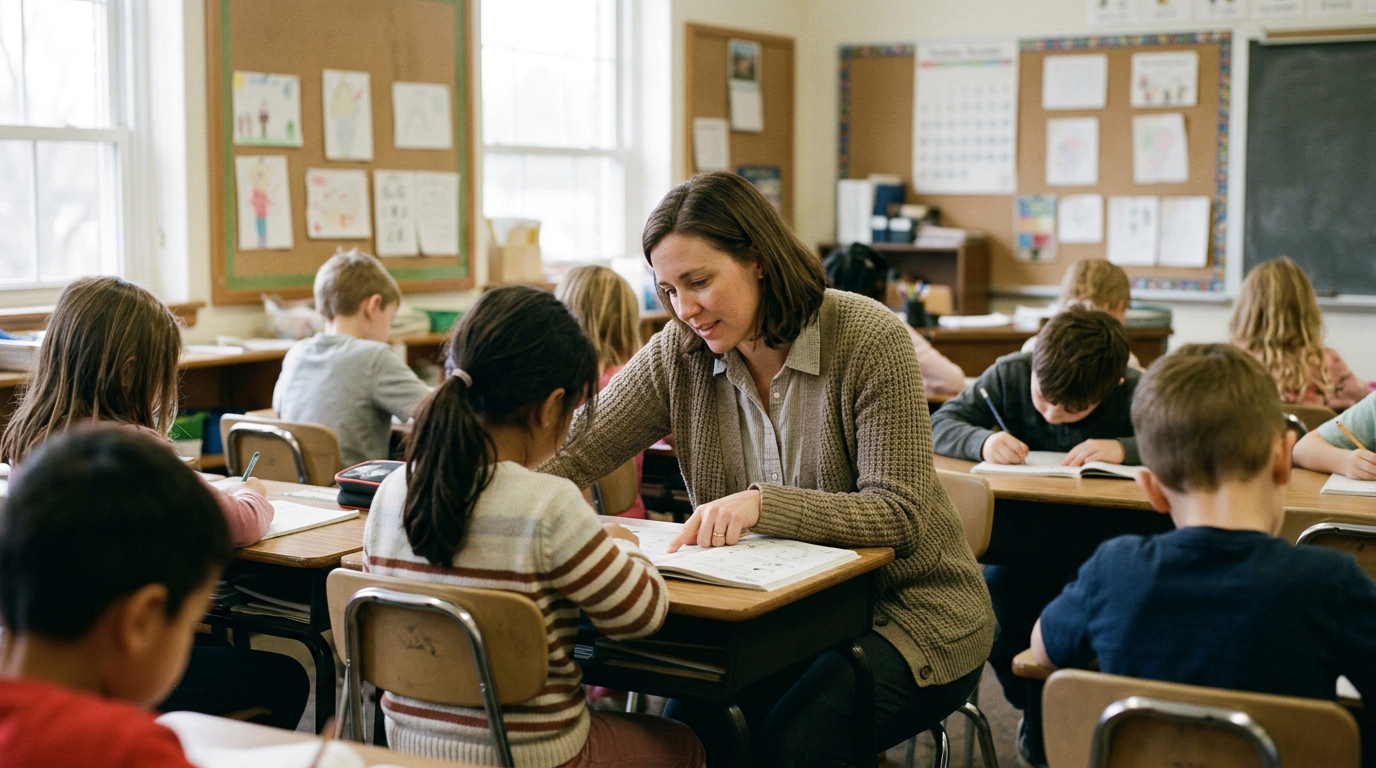
Imagine if elected leaders actually visited schools—not just for a quick photo op, but to roll up their sleeves and work alongside teachers. They should observe what happens daily, ask teachers what they need to succeed, and test policies in some real classrooms before implementing them on a larger scale.
Let’s focus on measuring the impact of new initiatives by examining how they affect our instructional time—specifically, how many minutes we gain or lose. By identifying and addressing the obstacles in our system, we can make improvements and continue this positive cycle.
When policymakers understand the actual work, teachers may eventually get policies that let them spend less time following unnecessary rules and more time doing what they do best: teaching. This approach encourages improvement without putting all the weight on teachers. Right now, we are adding to the classroom workload of teachers and missing out on needed changes. New ideas and innovations in K12 education come from within classrooms in our communities, not rewritten policies borrowed from other states.

Public schools face a confusing identity crisis. Are they government organizations or vital parts of civil society? The American education system is full of complicated rules and regulations that often block effective teaching and learning. This has sparked a push for competition through charter and private schools, which are often seen as more flexible options within civil society than district-run schools. But don’t get too comfortable, accountability and transparency will eventually come to all.
As Mike Petrilli and Devon Nir from the Fordham Foundation write: “There are countless benefits to the growth of parental options in education and the increasing pluralism of our schools. At the same time, when school choice is deployed to advance a public purpose and funded with public dollars, the impact on students should not be invisible to the public. That goes for all sectors—traditional public schools, charter schools, and, yes, private schools, too.”
Nevertheless, it’s important to recognize that teachers, administrators, and school staff often embody the spirit of community leadership. Public schools are not just bureaucratic entities; they are central to their communities. During crises, they act quickly, providing vital services like food banks and counseling. They become safe spaces, offering stability and support in tough times.
Public schools play vital roles in civil society by working with various organizations and hosting local events that strengthen community bonds. They are not just places where children learn math and science; they also serve as venues for community gatherings, cultural festivals, and local initiatives. In a world that often feels divided, public schools help weave the fabric of community life. There are some excellent private schools, but let’s be honest, they can also be some of the most exclusionary institutions in our community.

While public school systems may function under government oversight, each school should be recognized as a vital civil society institution deserving of appreciation and support. They contribute far more to society than just fulfilling test score requirements.
While we are at it, ensuring accountability and transparency in taxpayer spending is essential for building trust and confidence among citizens. These principles help guarantee that public funds are used efficiently and responsibly, ultimately leading to better governance and improved public services.
It’s time to rethink how we see public schools. They are more than just government organizations; they play a crucial role in fostering community values and connections. Consider your local schools. Do they truly reflect the spirit of community? Are they places where everyone feels welcomed and valued?
Ultimately, supporting public education isn’t just an act of charity; it’s an investment in our communities’ future. When we celebrate and support those who teach our children, we, in turn, strengthen the foundation of civil society.
#####
JC Bowman is the Executive Director of Professional Educators of Tennessee, a non-partisan teacher association headquartered in Nashville, Tennessee. Permission to reprint in whole or in part is hereby granted, provided that the author and the association are properly cited. For more information on this subject or any education issue please contact Professional Educators of Tennessee. To schedule an interview please contact info@proedtn.org or 1-800-471-4867.

Legal Notice: This message and any attachments may contain confidential and legally privileged information. This e-mail and any attachments are confidential and are intended solely for the named addressee(s). Please refrain from including sensitive data, such as social security numbers and passwords, in non-encrypted emails and non-password-protected email attachments when responding. Any review, retransmission, dissemination, or other use of, or taking of any action in reliance upon this information by persons or entities other than the intended recipient is prohibited. Suppose the reader of this message is not the intended recipient (or an agent responsible for delivering it to the intended recipients). In that case, you are notified that you have confidential and privileged information and are officially notified that any unauthorized distribution or copying of this communication or the information contained in it is strictly prohibited. If you are not a named addressee, you should not copy, alter, post, forward, distribute, or disseminate the contents of the e-mail, either whole or partial, or attachments without the sender’s written permission. Please notify the sender immediately by e-mail if you have received this e-mail by mistake, and delete this e-mail from your system. Any views or opinions expressed may solely be those of the individual and may not necessarily represent those of Professional Educators of Tennessee (ProEdTN or PET). Please note That Emails sent from a government computer or a government-issued email account are not considered private.



You must be logged in to post a comment.