

By JC Bowman
A parent sits at the kitchen table and looks at a report card. The grades look fine, but when her son reads aloud, he guesses at words he should know. She has a simple question for his teacher. Is he learning what he needs to know?
She deserves a straight answer. Her son may have made real progress but still needs help reaching grade level. Both can be true. Tell her what he can do, where he’s struggling, and what the school plans to do next. Give her something she can use when they sit down to read together that evening.
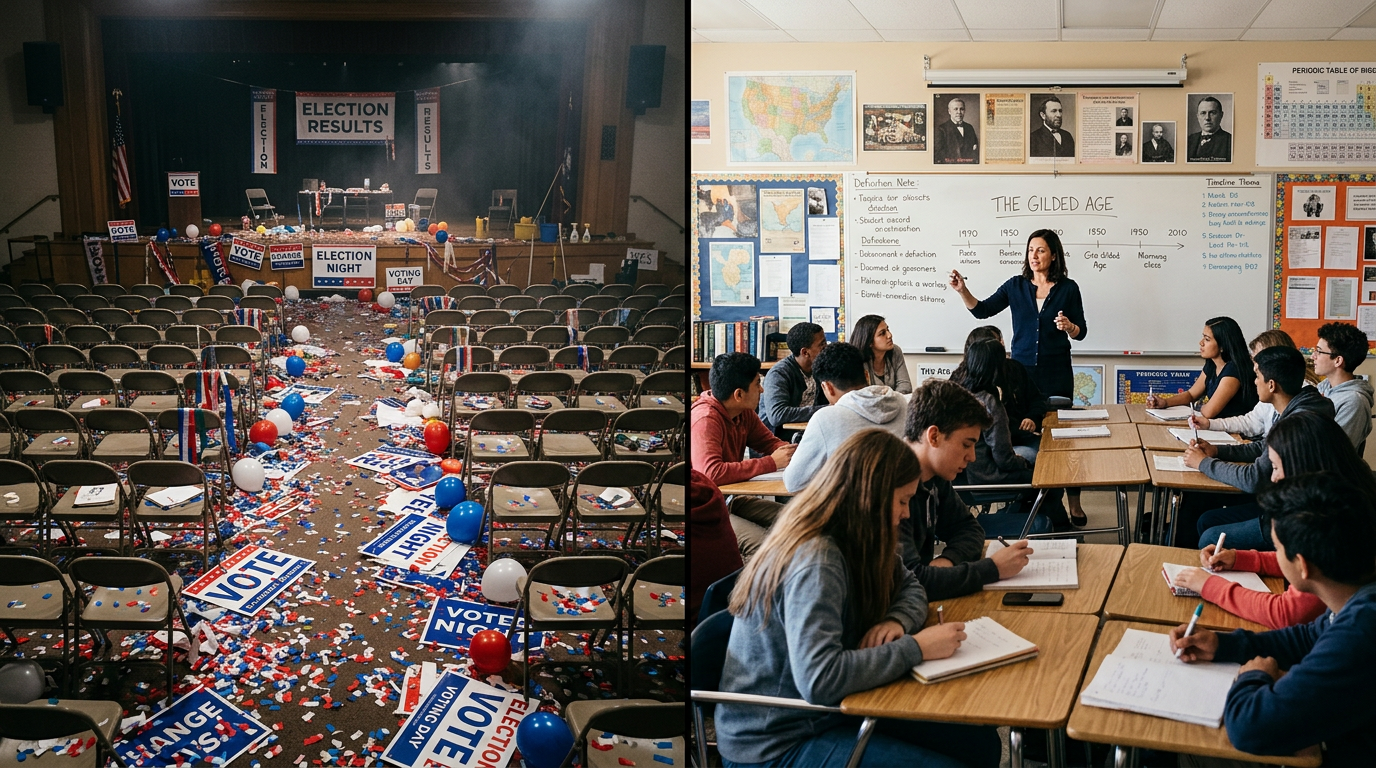
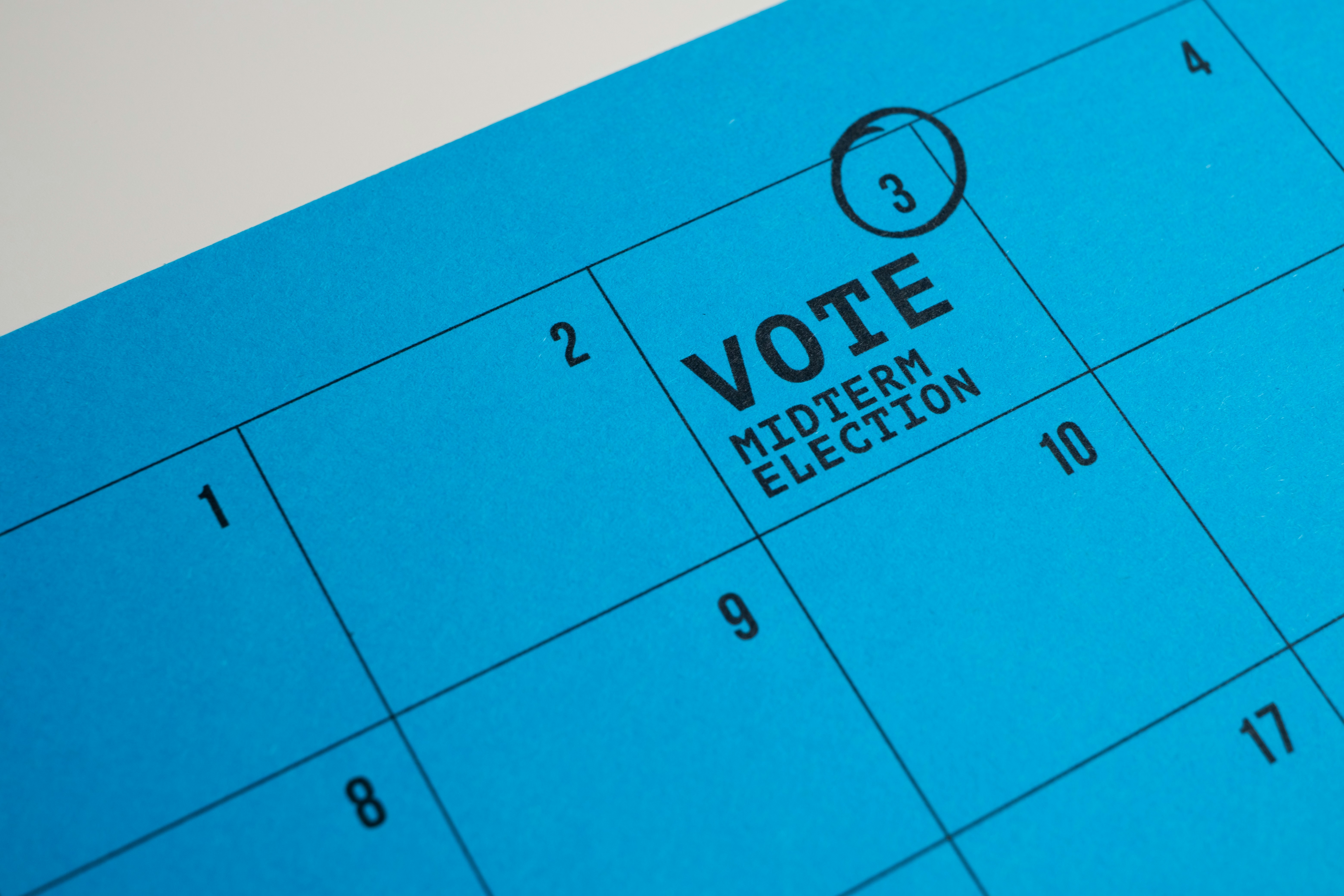
After the recent midterms, there will be plenty of discussion about what voters want from their elected leaders. Transformation doesn’t happen overnight; it is a journey of small, consistent steps that add up to big changes.
In education, I would start with what that parent wants from her school. She wants her child to be safe, to learn, and to have a teacher who knows him well enough to tell her how he’s doing. Tennessee should judge its education policies by how well they help schools achieve those goals.
That starts with keeping good teachers. A teacher views a raise the same way anyone else does. How much is left after rent, groceries, and childcare are paid? A higher starting salary can help attract someone to the classroom. What happens in the next few years can determine whether that person makes a career in teaching.
Tennessee should give early-career teachers a reason to stay, pay experienced teachers for the time they spend mentoring colleagues, and offer direct incentives for hard-to-fill positions.

Then there’s the workday itself. When a classroom is repeatedly disrupted, does the teacher receive help from the principal? When a substitute can’t be found, how often is a teacher asked to give up planning time to cover another class? Each decision may carry a school through the day. Over a year, those decisions help determine whether teachers feel they can do the job they were hired to do. For the family of a child who needs special education services, keeping a good teacher means having someone in May who knows the child as well as the person they met in August.
There is little doubt that the economy and affordability were major issues in our last election. High prices for gas, groceries, housing, energy, and everyday costs have been cited by voters for how they voted. Growing the state budget will not be a popular subject among policymakers or taxpayers until those items are under control.
The same practical test belongs in the state budget. A growing district in Middle Tennessee may need another school before the next subdivision is filled. A rural district can lose students and still have the same miles of bus routes to cover and the same roof to repair. Both districts owe taxpayers an honest accounting of what they spend. The state owes both districts a funding policy that takes their circumstances seriously.
Apply that test to school vouchers, too. Before Governor Blackburn proposes expanding the program to lawmakers, ask what a family can actually do with the vouchers. Is there a school within driving distance with available seats? Can it serve a child with a disability? How will parents know whether their child is learning? And what will the program cost as it grows? These are not complex questions. Advocating for accountability does not conflict with school choice. Families weighing school-choice options and taxpayers footing the bill deserve clear answers. Refocus on accountability.
While Republicans still maintain a supermajority in the Tennessee General Assembly, voucher expansion is not guaranteed, given the addition of Democrats and the loss of several voucher supporters. When coupled with a change of direction in the United States Congress and a governor with only a 2.6% margin of victory, messaging must be clear and backed by the public before any further expansion can occur. Most taxpayers agree that more accountability is needed. Who Governor Marsha Blackburn selects as Commissioner of Education also matters.
At Professional Educators of Tennessee, we talk about professionalism over politics. In practice, that means listening to the people who have to make a policy work. Ask a principal what happens when a special education position goes unfilled. Ask teachers how much planning time they actually get. Ask parents what they understood about their child’s reading after the last conference. You can learn a great deal about a policy by asking those who live with it. Out-of-state-funded organizations need much less influence in Tennessee.
Tennessee lawmakers have a responsibility to set clear expectations and to spend public dollars carefully. Local school leaders have a responsibility to follow through when teachers need support. And parents should be able to leave a parent-teacher conference knowing what their child has learned and what comes next. These are reasonable expectations in every school in this state.
The next time Tennessee changes an education law, ask what will be different on an ordinary school day in a Tennessee classroom. Families deserve an answer they can see for themselves.
#####
JC Bowman is the Executive Director of Professional Educators of Tennessee

Legal Notice: Permission to reprint this editorial in whole or in part is hereby granted, provided that the author (or authors) and Professional Educators of Tennessee are properly cited.





You must be logged in to post a comment.